Hall of Honor
Celebrating the visionaries who fundamentally changed the way we live and work. These are the people whose contributions shaped the modern world.
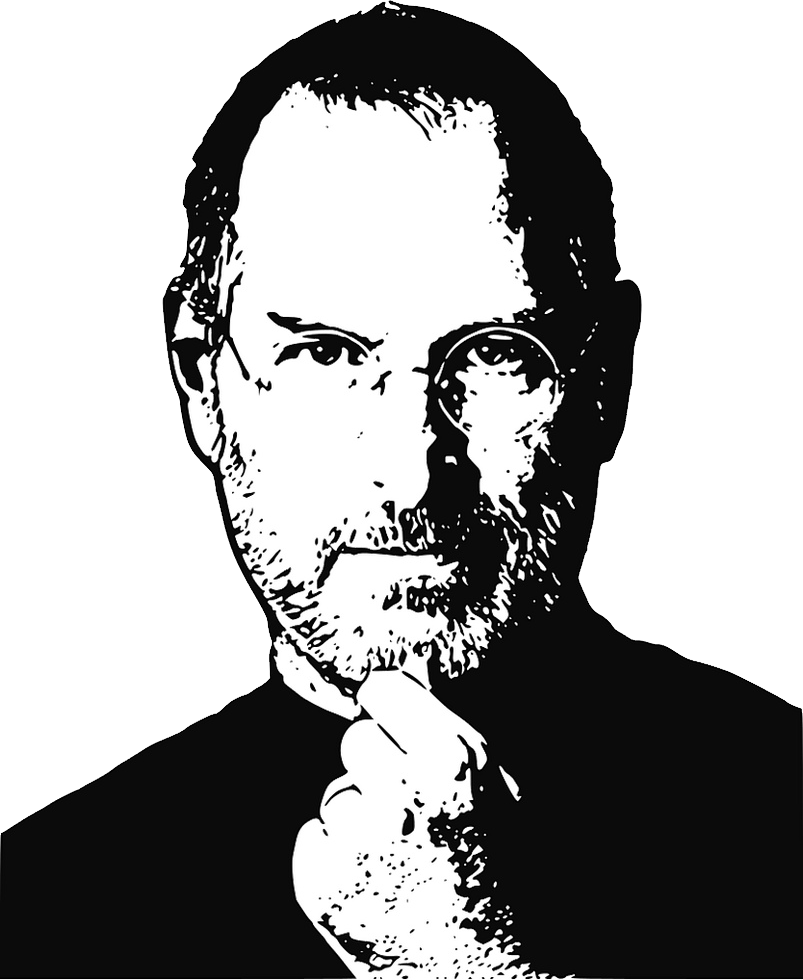
Steve Jobs
TechnologyCo-founder of Apple Inc.
Steve Jobs co-founded Apple and revolutionized personal computing, animated movies, music, phones, and tablet computing. His obsession with design and user experience set new standards for the entire technology industry.
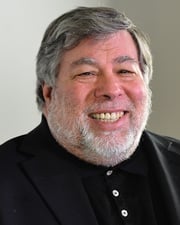
Steve Wozniak
TechnologyCo-founder of Apple Inc. & Engineering Visionary
Steve Wozniak single-handedly designed the Apple I and Apple II computers, which sparked the personal computer revolution. His engineering genius made computing accessible and affordable for ordinary people.
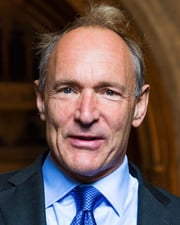
Tim Berners-Lee
TechnologyInventor of the World Wide Web
Tim Berners-Lee invented the World Wide Web, creating HTML, HTTP, and the first web browser. His decision to make the web free and open transformed it into the most powerful communication platform in human history.
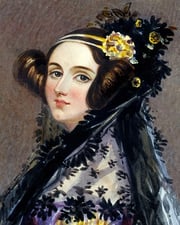
Ada Lovelace
TechnologyThe First Computer Programmer
Ada Lovelace wrote the first algorithm intended for a machine, making her the world's first computer programmer. Her visionary notes foresaw that computers could go far beyond mere calculation.
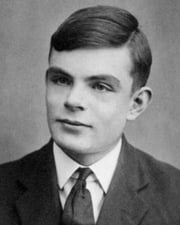
Alan Turing
TechnologyFather of Computer Science
Alan Turing formalized the concept of computation with the Turing machine, broke the Enigma code during WWII, and laid the foundations for artificial intelligence. He is widely considered the father of computer science.
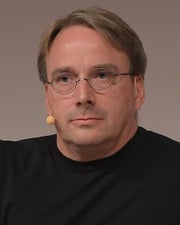
Linus Torvalds
TechnologyCreator of Linux and Git
Linus Torvalds created Linux, the open-source operating system kernel that powers most of the world's servers, smartphones, and supercomputers. He also created Git, the version control system used by virtually every software developer.
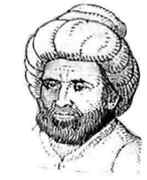
Al-Khwarizmi
ScienceFather of Algebra & Algorithms
Muhammad ibn Musa al-Khwarizmi invented algebra, introduced the Hindu-Arabic numeral system to the Western world, and gave us the very word 'algorithm.' His mathematical works form the foundation of modern science and computing.
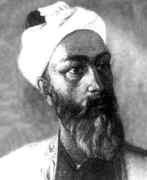
Ibn Sina (Avicenna)
MedicineFather of Early Modern Medicine
Ibn Sina wrote 'The Canon of Medicine,' the most influential medical textbook in history, used as the standard reference in European and Islamic universities for over 600 years. He is regarded as the father of early modern medicine.
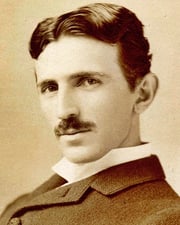
Nikola Tesla
SciencePioneer of Alternating Current & Modern Electrical Systems
Nikola Tesla invented the alternating current (AC) electrical system that powers the modern world, along with the induction motor, radio technology foundations, and over 300 patents that shaped the 20th century.
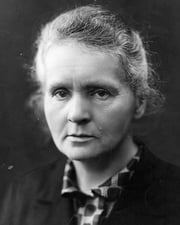
Marie Curie
SciencePioneer of Radioactivity Research
Marie Curie discovered polonium and radium, pioneered research on radioactivity, and became the first person to win Nobel Prizes in two different sciences. Her work transformed medicine, energy, and our understanding of the atom.
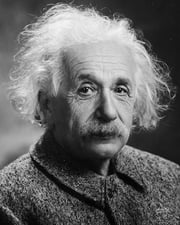
Albert Einstein
ScienceArchitect of Modern Physics
Albert Einstein developed the theory of relativity, fundamentally altering our understanding of space, time, energy, and gravity. His equation E=mc² is the most famous formula in science and underpins nuclear energy and modern cosmology.
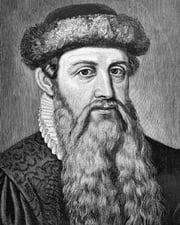
Johannes Gutenberg
TechnologyInventor of the Printing Press
Johannes Gutenberg invented the movable-type printing press, enabling the mass production of books and triggering the information revolution that led to the Renaissance, the Reformation, and the Scientific Revolution.
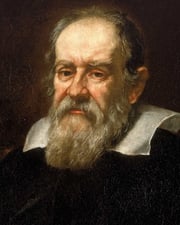
Galileo Galilei
ScienceFather of Modern Observational Science
Galileo championed heliocentrism, improved the telescope, discovered Jupiter's moons, and established the scientific method of observation and experiment. He is called the father of modern observational astronomy and modern physics.
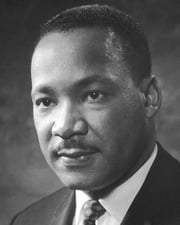
Martin Luther King Jr.
Civil RightsLeader of the American Civil Rights Movement
Martin Luther King Jr. led the American civil rights movement through nonviolent resistance, helping end legal segregation and inspiring human rights movements worldwide. His 'I Have a Dream' speech remains one of history's most powerful calls for equality.
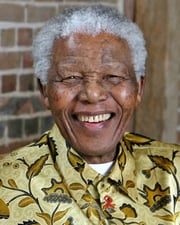
Nelson Mandela
Civil RightsAnti-Apartheid Revolutionary & President of South Africa
Nelson Mandela spent 27 years in prison for fighting apartheid, then emerged to lead South Africa's peaceful transition to democracy and become its first Black president. His choice of reconciliation over revenge changed the course of a nation.
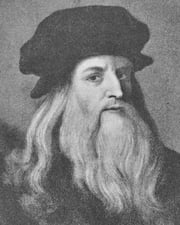
Leonardo da Vinci
Arts & CultureThe Universal Genius
Leonardo da Vinci was the quintessential Renaissance genius — painter, sculptor, architect, engineer, anatomist, and inventor. His art defined beauty, his notebooks anticipated centuries of science, and his mind remains the gold standard for human creativity.
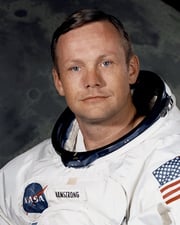
Neil Armstrong
ExplorationFirst Human to Walk on the Moon
Neil Armstrong became the first human to set foot on the Moon on July 20, 1969, uttering the immortal words: 'That's one small step for man, one giant leap for mankind.' His achievement remains humanity's greatest exploration milestone.
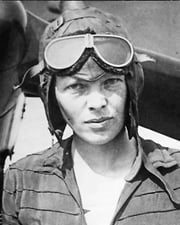
Amelia Earhart
ExplorationPioneer of Aviation & Women's Rights
Amelia Earhart was the first woman to fly solo across the Atlantic Ocean, set numerous aviation records, and became a symbol of courage and women's empowerment. Her disappearance during a circumnavigation attempt remains one of history's great mysteries.

Ibn Battuta
ExplorationThe Greatest Traveler of the Medieval World
Ibn Battuta traveled over 75,000 miles across the known world over 29 years, visiting 44 modern countries. His journey, documented in the Rihla, remains the most extensive pre-modern travel account ever recorded.